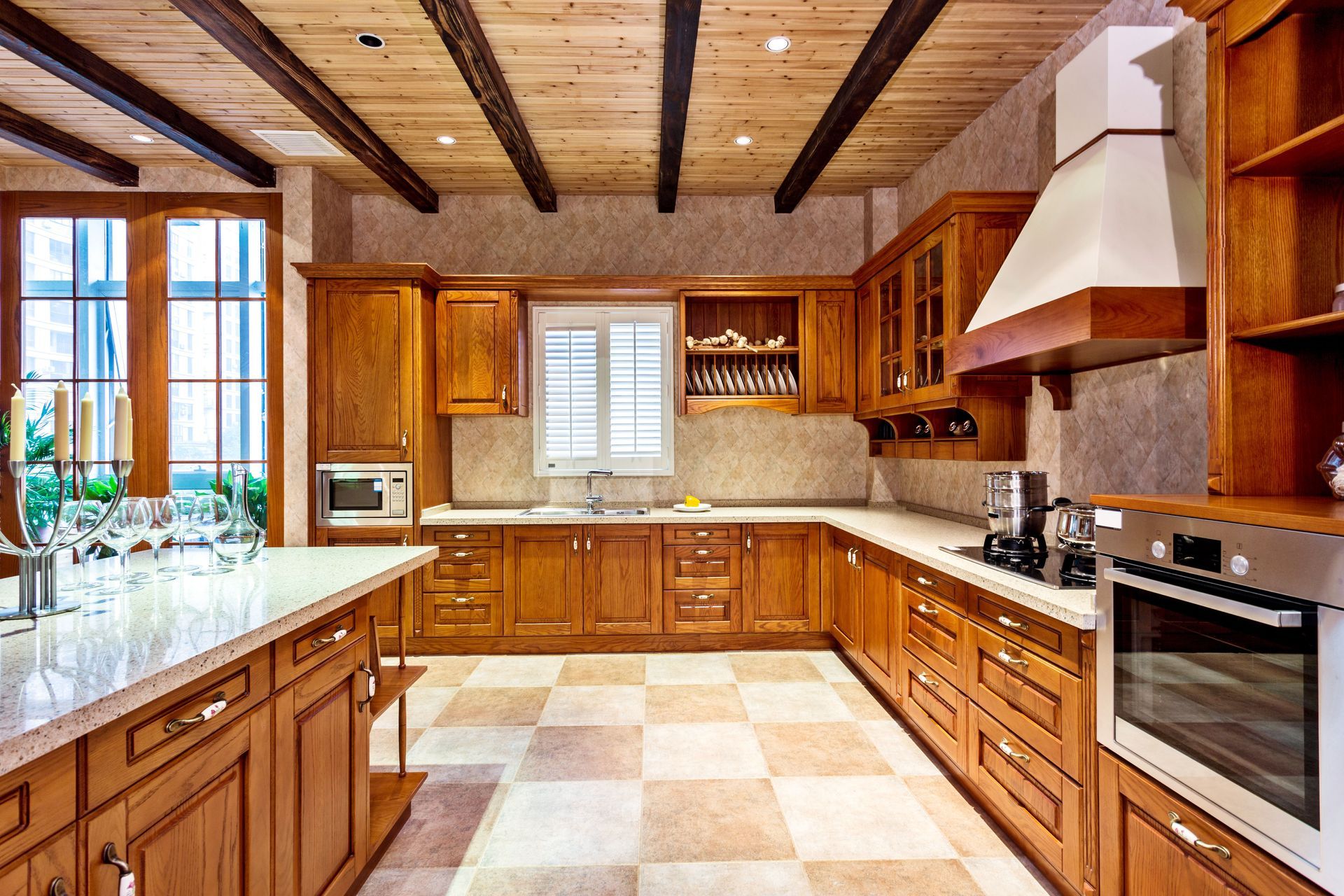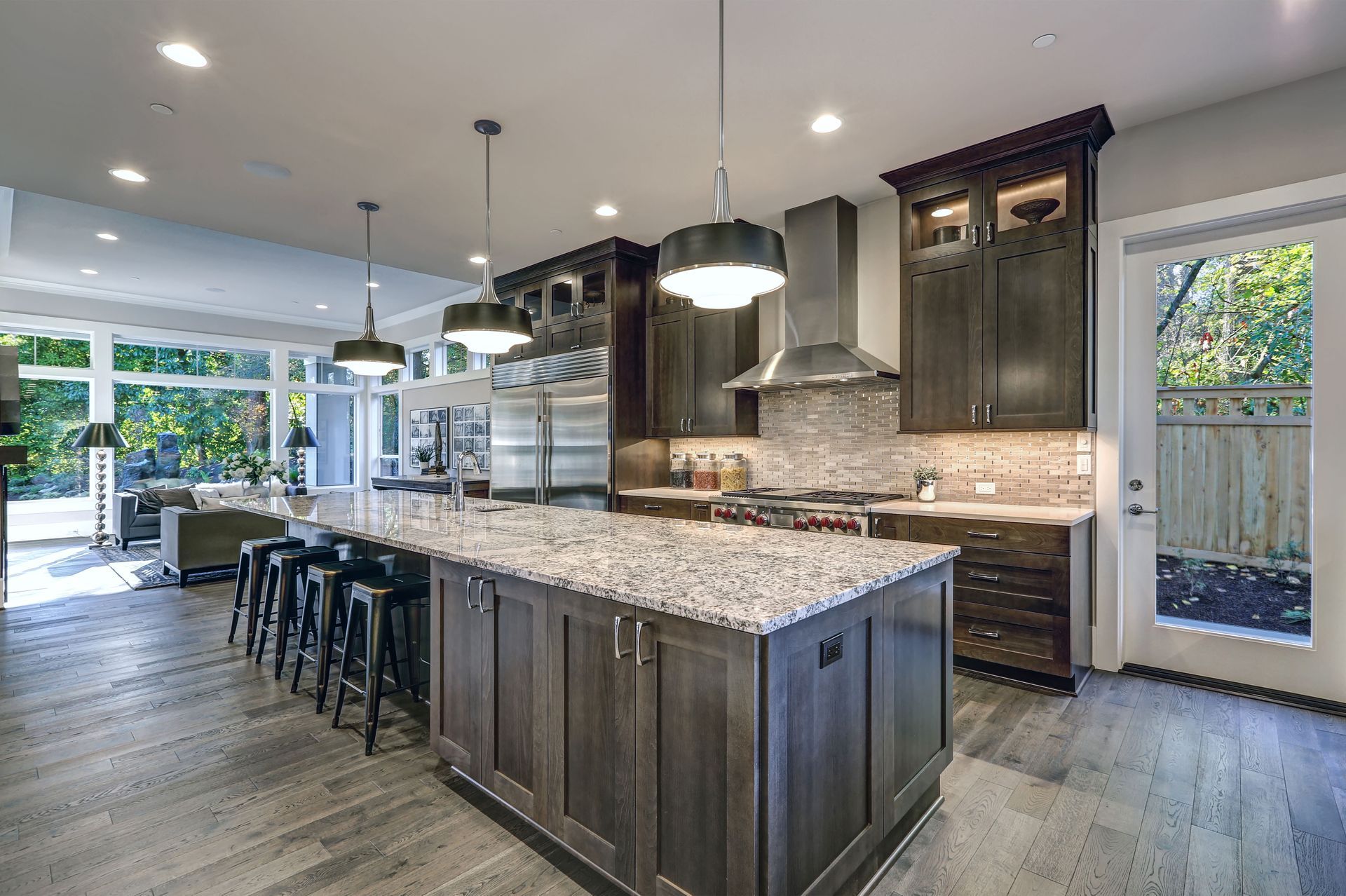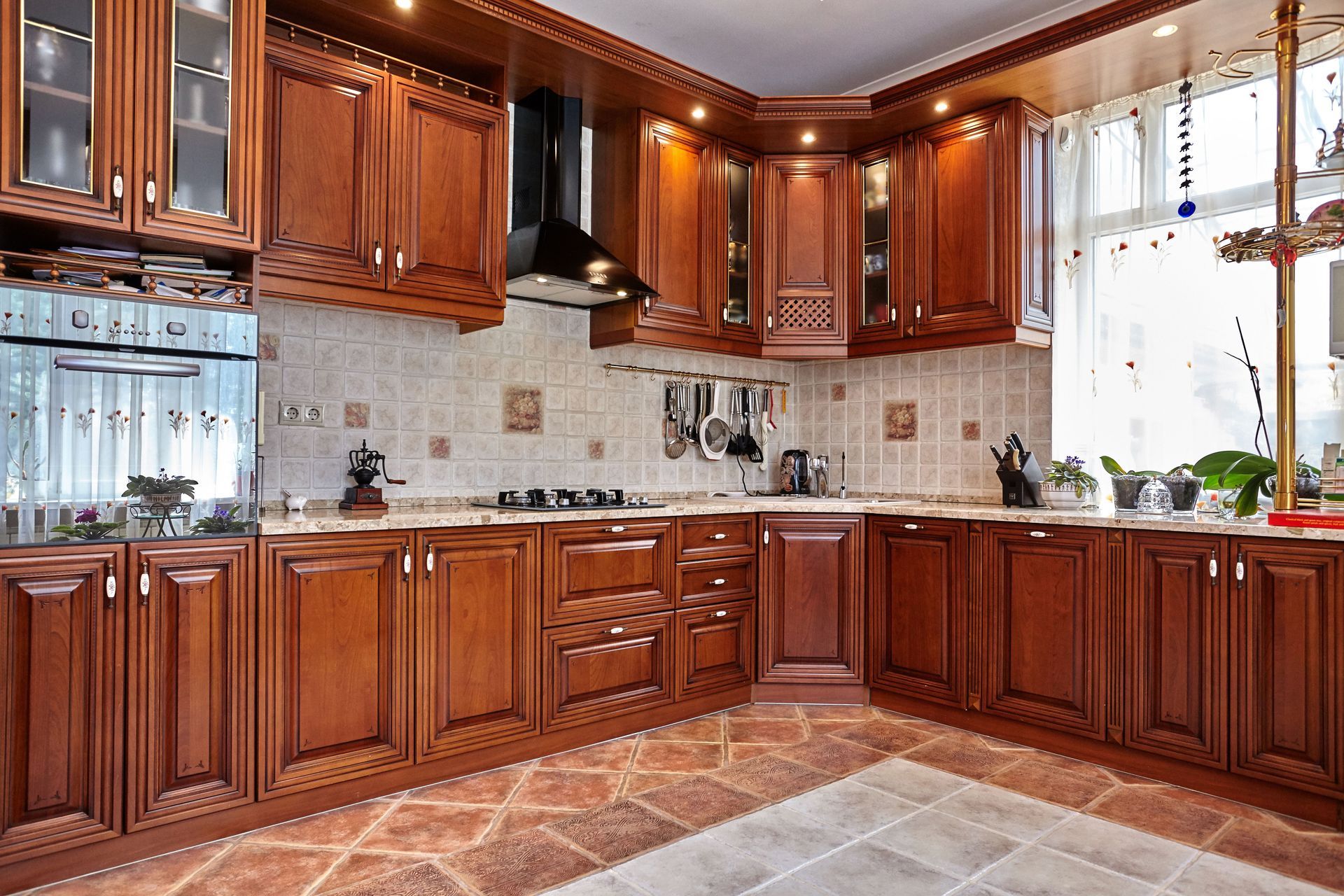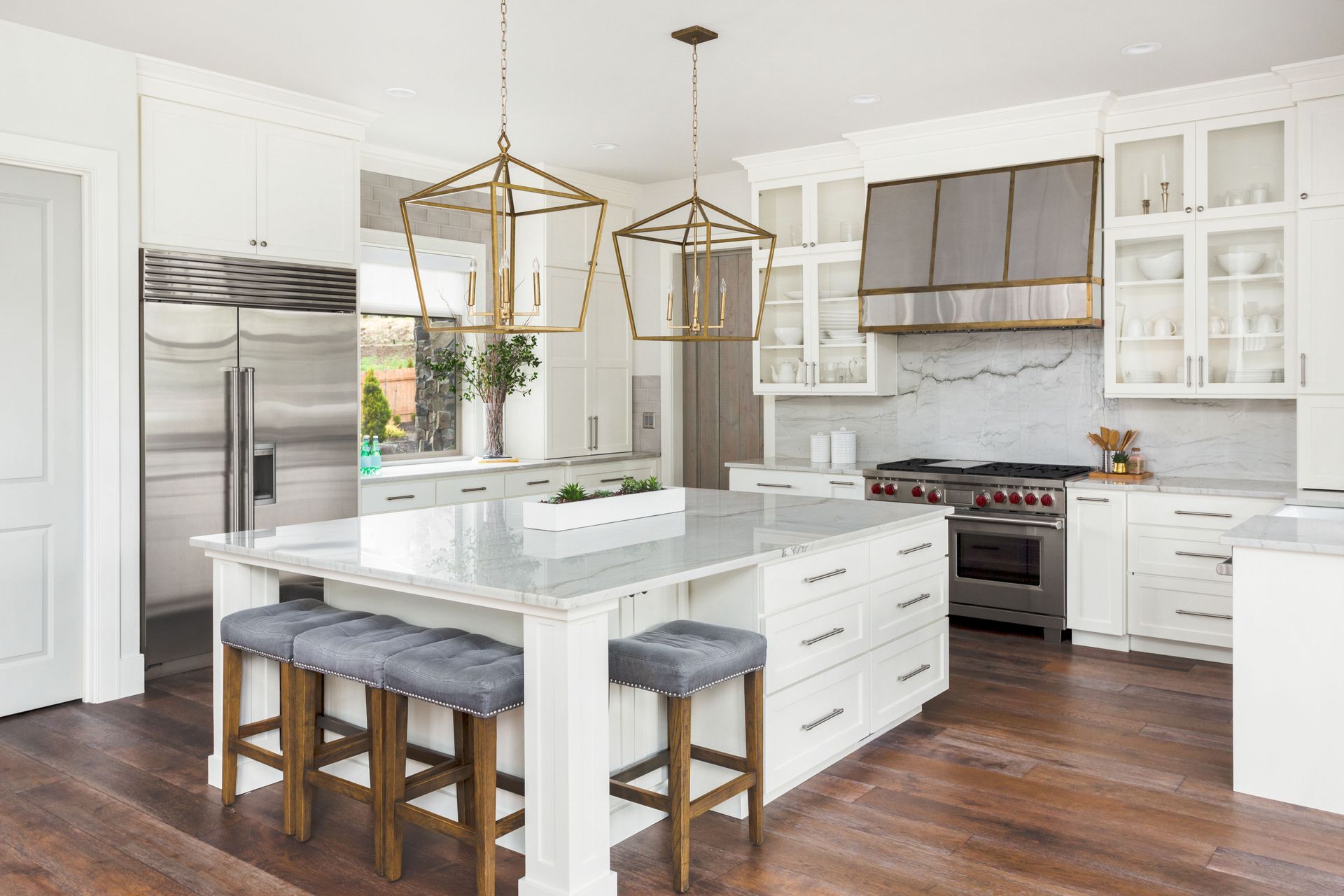
When embarking on a major home renovation, few decisions carry as much structural and financial weight as selecting your architectural storage systems. Homeowners often find themselves at a crossroads, trying to determine if custom cabinetry is a truly valuable investment or if off-the-shelf alternatives will suffice. This article will guide you through the concrete benefits, real-world costs, design flexibility, and critical environmental considerations of tailored wood installations.
Unlike mass-produced fixtures, premium built-ins provide unique advantages that adapt directly to your distinct lifestyle, spatial anomalies, and visual preferences. As the primary visual anchor in kitchens, bathrooms, and libraries, your choice of millwork heavily influences both the daily usability and the long-term appraisal value of your property. Making an informed decision requires looking past the surface aesthetics to understand the engineering, material procurement, and craftsmanship that define this premium home upgrade.
Understanding Custom Cabinetry
Bespoke millwork represents an entirely different class of interior construction compared to standard, assembly-line home products. By definition, custom cabinetry refers to storage furniture designed from scratch and constructed to meet a client's exact spatial dimensions and stylistic preferences.
Unlike mass-produced stock options, which are restricted to pre-set configurations, these installations are engineered to fit a specific home without the use of ugly filler strips or forced geometric compromises. This bespoke approach grants homeowners total control over the raw timber grades, internal organizational mechanisms, and hand-applied finishes, resulting in a perfectly personalized addition to your architecture.
The core difference between bespoke and stock units lies in their fundamental adaptability. Stock boxes are manufactured in rigid 3-inch increments, which frequently results in wasted space and clumsy corners in uniquely shaped, historic, or compact floor plans.
Conversely, high-end millwork offers infinite flexibility, gracefully accommodating irregular structural plumbing walls, sloped ceilings, and complex architectural bump-outs. This allows you to integrate specialized features completely absent in generic product lines.
According to Gitnux, about 65% of U.S. consumers prefer custom cabinets when remodeling their kitchens, illustrating a strong preference for personalized design.
Material selection represents a massive advantage when investing in personalized storage solutions. While commercial stock boxes often rely on thin particleboard or compressed fiber cores prone to moisture sag, custom cabinetry utilizes robust, furniture-grade plywood and premium solid hardwoods.
Homeowners can hand-select beautiful species like slow-grown northern maple, rich cherry, quarter-sawn white oak, or even rare exotic timbers. Choosing these premium, dense materials drastically improves the foundational strength of the frames, ensuring the doors and drawers remain perfectly aligned despite decades of heavy, continuous use.
The physical creation of bespoke millwork demands meticulous bench carpentry and rigorous quality control. The process kicks off with precise, laser-verified site measurements that are translated into detailed architectural blueprints. Skilled local artisans then use these drafts to cut, sand, and assemble individual face frames and boxes.
This manual approach frequently incorporates traditional, high-end structural joinery like interlocking English dovetails, mortise-and-tenon frames, and blind dados. The build wraps up with multi-stage hand sanding and the application of oven-cured structural sealants, producing a flawless piece of fine furniture.
Selecting a Custom Cabinetry Provider
Finding the perfect millwork shop is essential to transforming abstract inspiration into reliable, physical realities. Property owners must carefully screen local providers based on their professional trade associations, general liability insurance, and comprehensive portfolios of finished local work.
A reputable woodworking firm will always provide a detailed, face-to-face design consultation, using advanced drafting software to collaborate directly with you on spatial challenges. This initial relationship should be characterized by total transparency regarding manufacturing lead times, hardware performance, and contract structural warranties.
Evaluating the Cost of Custom Cabinetry
The ultimate financial investment required for high-end woodwork depends on several structural variables, including the chosen wood species, total linear footage, and design complexity. Intricate inset door styles, specialized paint glazing, and custom-carved crown moldings naturally command a higher price point due to the intense bench labor required.
Additionally, auxiliary features like integrated low-voltage LED channel lighting, premium heavy-duty drawer glides, and bespoke solid brass hardware will impact your bottom line. Understanding these core cost drivers early allows you to collaborate effectively with your woodworker to maximize impact without breaking your overall renovation budget.
Comparing Long-Term Value to Stock Cabinets
While tailored built-ins undoubtedly require a larger upfront financial outlay, they deliver vastly superior long-term economic value compared to basic stock items. Cheap, mass-produced options often show visible wear, finish peeling, and hinge failure within five to seven years, requiring a complete, messy rip-out and replacement.
High-end custom cabinetry is built to last a lifetime, easily enduring decades of active family use. Furthermore, prospective home buyers immediately recognize the quality of true custom millwork, allowing sellers to command a higher listing price and capture premium offers in competitive real estate markets.
Building a highly accurate, successful financial blueprint requires accounting for every phase of the millwork lifecycle. Your budget must explicitly allocate funds for raw timber sourcing, detailed design drafting, manual shop labor, careful transit, and professional on-site installation.
Homeowners must look out for hidden expenses that generic estimate sheets occasionally overlook. These can include specialized job-site delivery fees, complex molding touch-ups, or the cost of custom-fitting face frames around non-standard appliance cutouts.
Always ensure your written contract clearly outlines who pays for the final finish adjustments and hardware calibrations post-installation. Discussing these technical details openly upfront prevents stressful budget surprises later in the construction process.
To help make premium millwork highly accessible, a variety of flexible financing paths can be utilized. Homeowners frequently use home equity lines of credit (HELOCs) or targeted home improvement loans to secure low interest rates and predictable monthly payments.
Alternatively, select high-end design showrooms provide convenient, in-house financing structures or milestone-based payment schedules (such as 50% down, 40% upon shop completion, and 10% post-installation), allowing you to comfortably manage your cash flow.
Design Flexibility and Customization
The absolute pinnacle of choosing custom cabinetry is unlocking unlimited aesthetic and artistic freedom. You are never restricted to a generic corporate catalog; instead, you can dictate every single detail, from traditional raised-panel doors for a historic look to ultra-sleek, grain-matched slab doors for a minimalist vibe.
Woodworkers can formulate proprietary paint stains and lacquer sheen levels that perfectly match your existing architectural trim, creating a unified interior design scheme that feels entirely organic.
Tailored millwork is the ultimate savior for homes featuring complex, non-standard, or historic floor plans. Architectural anomalies like tight under-stairs nooks, deeply recessed windows, and angled chimney breasts are completely impossible to furnish with boxy stock options.
Specialized artisans can engineer beautiful, structurally sound cabinets that hug these specific contours perfectly. This eliminates awkward gaps, maximizes your actual usable storage footprint, and turns potential structural flaws into stunning design features.
Determining if custom-built-ins are worth the investment requires looking at your specific financial budget, architectural challenges, and lifestyle goals. While mass-produced stock options offer quick, low-cost fixes, they cannot compete with the incredible durability, spatial optimization, and personal expression of true bespoke millwork. Tailoring your home with beautiful, structural storage systems dramatically improves your daily organizational efficiency, elevates your property value, and delivers a stunning visual finish that lasts for generations.
Ready to elevate your home with flawless, premium storage solutions designed exactly for your lifestyle? Contact Express Cabinets today to book your personal design consultation, explore our stunning material options, and start your custom home transformation with regional experts you can completely trust.